
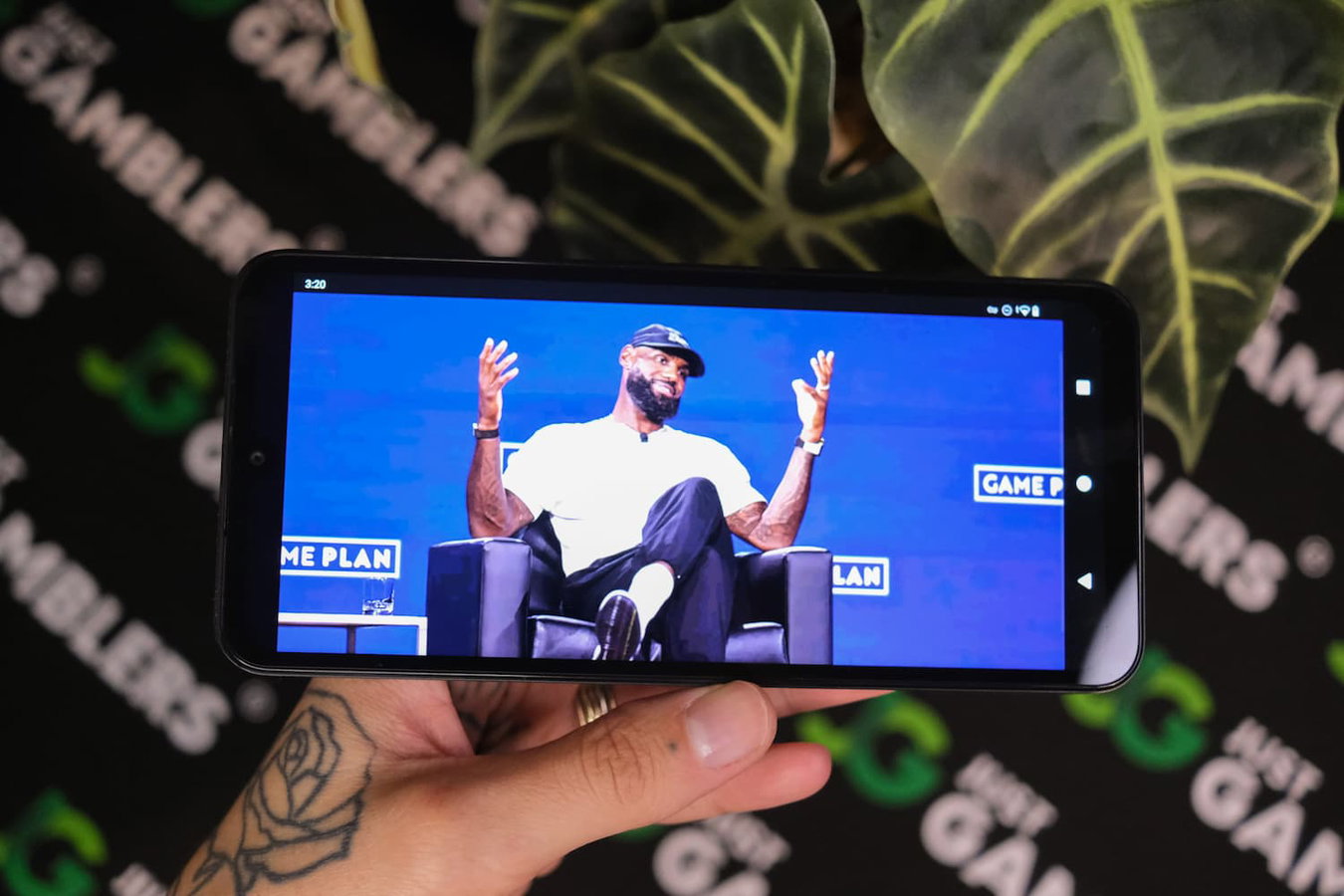
Prediction markets faced renewed scrutiny in September as LeBron James entered a reported $15 million-per-year partnership with Polymarket. The deal drew criticism over the growing link between prediction markets and professional sports, particularly as sports event contracts let customers wager on many of the same outcomes available at regulated US sportsbooks.
Regulation and responsible gambling were also major themes during the month. A federal appeals court ruled that Ohio and Tennessee can regulate Kalshi's sports contracts under state gambling laws, while the National Council on Problem Gambling called for stronger consumer protections across prediction markets. Meanwhile, Betr integrated Polymarket into its expanded super app, giving eligible customers access to sports prediction markets alongside its existing sweepstakes casino and gaming products.
TL;DR: Sports Prediction Markets Face Growing Regulatory Pressure
- 🏀 LeBron James partnered with Polymarket: The reported $15 million-per-year deal drew criticism as prediction markets continue expanding their presence in professional sports.
- 📱 Betr integrated Polymarket markets: Betr 2.0 added prediction markets alongside its sportsbook, Picks, casino, and arcade products.
- 🛡️ NCPG called for stronger prediction market protections: The organization highlighted gambling-related harms and called for self-exclusion, age verification, risk disclosures, and responsible gaming tools.
- ⚖️ Federal court backed state regulation of Kalshi: The 6th Circuit ruled that Ohio and Tennessee can apply state gambling laws to Kalshi's sports event contracts.
LeBron James Polymarket Partnership Drew Criticism Over Sports Event Contracts
LeBron James entered a reported $15 million-per-year partnership with Polymarket, adding one of the biggest names in US sports to the prediction market platform's growing list of high-profile partners. The agreement has attracted criticism because Polymarket offers sports event contracts on individual games, division winners, championships, and other outcomes that are also available at regulated sportsbooks. James previously worked with DraftKings, but his involvement there was limited to football and other non-NBA promotions.
The deal also raises further questions about how sports event contracts are regulated in the US. A Polymarket contract on which team will win an NBA game is essentially the same proposition as a moneyline bet at a sportsbook, yet the two products are regulated differently. JustGamblers' position is that sports event contracts should be treated as sports betting when they allow customers to wager on sporting events. That would subject them to the same state licensing requirements, age restrictions, responsible gambling standards, and integrity rules that already apply to licensed sportsbooks. Those protections matter even more as prediction market platforms partner with active athletes and expand across US professional sports.
Betr Added Polymarket Prediction Markets to Expanded Super App
Betr launched prediction markets through an integration with Polymarket as part of its new Betr 2.0 platform, which brings multiple real-money gaming products into a single app. Polymarket markets are being introduced in phases to eligible users in select states, initially covering sports before expanding to other real-world events. Betr said it is the first consumer app to integrate Polymarket markets directly into its platform.
Had to get the boys back together to let you all know that the Betr Super App is here 🎥🔥 https://t.co/kb3TdwpBhk
— betr (@betr) September 8, 2026
Betr has expanded significantly since launching as a microbetting operator in 2022 and now offers Picks, sportsbook, casino, arcade, and prediction markets through the same platform. The Polymarket integration adds another product that Betr can offer in states where traditional sports betting may not be available, while CEO Joey Levy has openly acknowledged that its products operate under different regulatory frameworks. Betr also introduced a new visual identity and launched its "SOMETHING BETR" advertising campaign featuring co-founder Jake Paul, Jeremy Piven, Adrian Grenier, Lonzo Ball, and Gelo Ball.
NCPG Took Firmer Stance on Prediction Market Gambling Risks
The National Council on Problem Gambling (NCPG) took a firmer position on prediction markets in September, stating that consumers are experiencing financial, emotional, and relationship harms from the products. NCPG said its role is not to determine whether prediction markets legally qualify as gambling, but to address gambling-related harm wherever it occurs. The organization called for prediction market operators to provide protections including responsible gaming tools, self-exclusion, age verification, clear risk disclosures, and direct access to support.
NCPG has faced criticism since Kalshi joined the organization and contributed $2 million to support its work earlier this year. The Nevada Council on Problem Gambling, Michigan Gaming Control Board, and Evergreen Council on Problem Gambling have since withdrawn from NCPG, with concerns including Kalshi's continued classification of its products as trading rather than gambling. Kalshi maintains that it provides strong consumer protections. JustGamblers agrees with NCPG that prediction markets should provide appropriate responsible gambling safeguards regardless of how their products are classified under US law.
Federal Appeals Court Ruled States Can Regulate Kalshi Sports Contracts
The 6th US Circuit Court of Appeals ruled that Ohio and Tennessee can regulate Kalshi's sports event contracts under state gambling laws. The three-judge panel found that Kalshi had not demonstrated that its sports contracts qualify as swaps subject exclusively to Commodity Futures Trading Commission (CFTC) oversight. The court also found that even if the contracts were considered swaps, federal law would not prevent Ohio and Tennessee from enforcing their gambling laws against Kalshi.
The decision strengthens the position of states seeking to regulate sports prediction markets as gambling, but federal courts remain divided on the issue. The 9th Circuit previously ruled that Nevada can regulate Kalshi's sports contracts, while the 3rd Circuit found that New Jersey could not and placed the contracts under federal CFTC jurisdiction. New Jersey has asked the US Supreme Court to review that decision. With different federal appeals courts now reaching conflicting conclusions, the legal status of sports event contracts remains unresolved and could ultimately require a Supreme Court ruling.